Best oil for Glock: the complete lubrication guide
Glocks have a reputation for running filthy and under-lubricated without complaint, and that reputation is mostly earned. But “forgiving” isn’t the same as “doesn’t need oil” — and the difference between a well-lubricated Glock and a dry one shows up in accuracy, trigger feel, and long-term wear on the slide rails. This guide covers exactly where to apply lubricant, how much, what kind, and the five products worth spending money on.
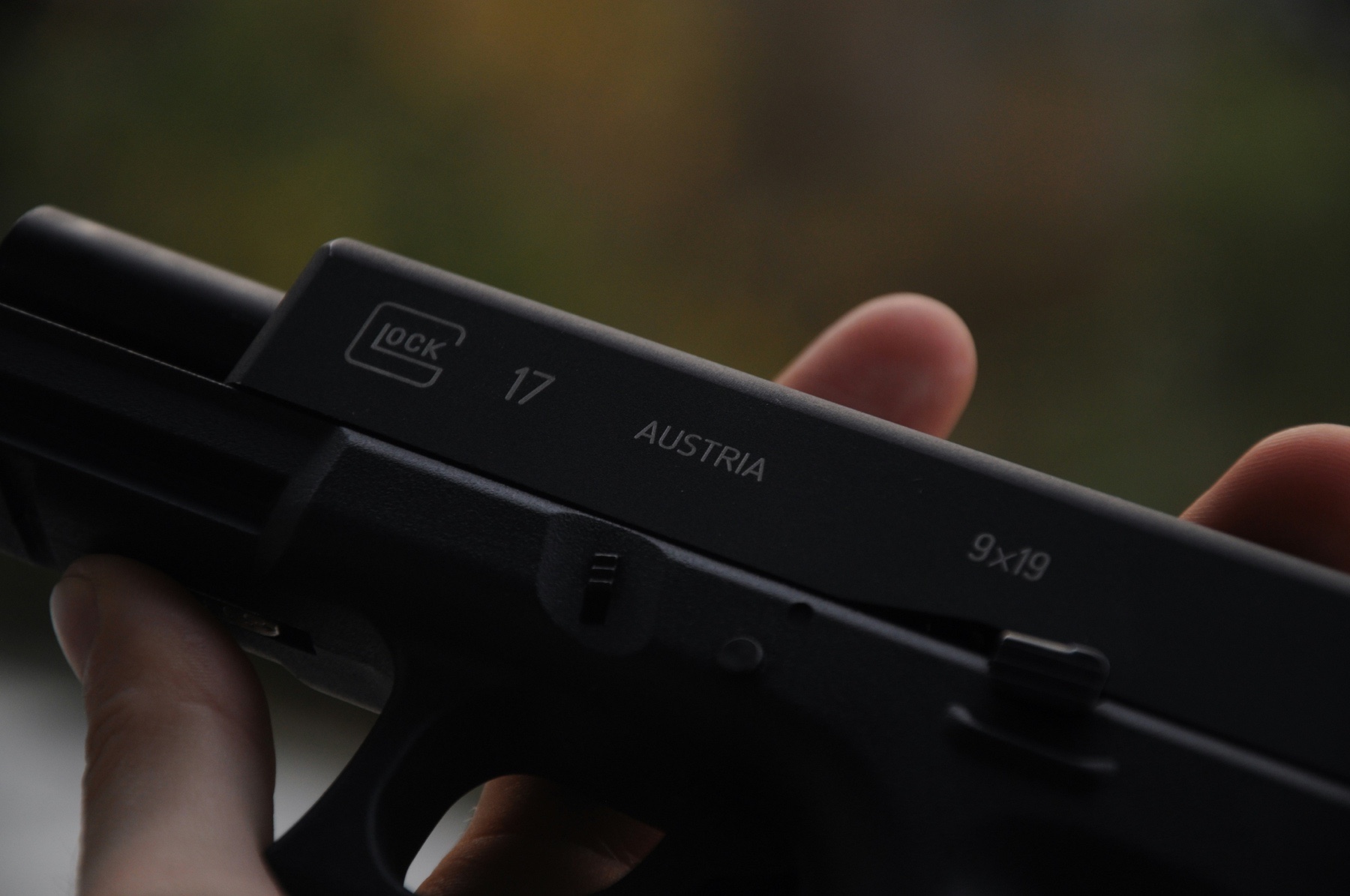
TL;DR: Put one drop of synthetic gun oil on each of the four factory-specified points after every cleaning. For high round counts or duty carry, swap the oil for a light grease on the slide rails. Skip CLPs if you’re serious — they cut corners on lubrication to handle cleaning and protection at the same time.
The 4 Points Glock Actually Wants You to Lubricate
Glock’s factory armorer’s manual specifies exactly four contact points that need lubrication. That’s it. More oil than this doesn’t help; it just pools in the frame and picks up carbon.
- The two front slide rails — small metal tabs molded into the polymer frame where the slide reciprocates. One drop of oil on each.
- The rear slide rail — the raised metal section at the back of the frame, center. One drop.
- The barrel hood and outside of the barrel — specifically the top of the hood (where it locks into the slide) and the curved part of the barrel that contacts the slide during cycling. A light film, not a puddle.
- The connector and trigger bar interface — the small metal tab at the rear of the frame where the trigger bar rides. One drop, worked in by dry-firing a few times.
That’s the whole map. Everything else — the firing pin channel, the striker, the magazine well, the inside of the slide — should be dry. Oil in the firing pin channel is the #1 cause of light primer strikes in Glocks, especially in cold weather when the oil thickens.
For a visual walkthrough of the slide rail application specifically, see our deep-dive on pistol slide rail lubrication — the same principles apply to SIGs, CZs, and most striker-fired pistols.
How Much Is “A Drop”?
Literally a drop from the nozzle of a needle-tip oiler or the wick of a Hoppe’s bottle. The temptation is always to over-apply, because dry metal feels wrong. Resist it. A Glock running wet will spray oil onto your face through the ejection port within the first magazine, and the excess attracts carbon fouling that turns into abrasive paste by round 300.
The industry test: wipe each lubrication point with a clean cotton swab after applying oil. If the swab comes back wet and shiny, it’s too much. It should show a thin sheen with no free liquid.
Oil or Grease on a Glock?
This is the most common debate in Glock forums, and the answer has nuance.
Use oil if: you shoot casually, clean regularly, or run the pistol in very cold weather (oil won’t thicken and cause light strikes the way grease can).
Use a light grease on the slide rails if: you’re running a duty gun, a competition gun with high round counts between cleanings, or you live somewhere hot where oil migrates off the rails within a week. Grease stays put. The downside: it’s messier, and too much of it can attract debris.
The hybrid approach a lot of armorers use: a thin layer of grease on the rails and barrel hood (high-friction wear points), and oil on the trigger bar interface (where low-friction precision matters more). This is the same philosophy applied to 1911-platform pistols, which are much more lubricant-dependent than Glocks.
The 5 Lubricants Worth Buying for a Glock
There are hundreds of gun oils on the market. Most are fine. These five actually earn their place in a Glock owner’s kit:
Slip 2000 EWL (Extreme Weapons Lubricant)
The competition shooter’s default. 100% synthetic, non-toxic, stays in place across a huge temperature range (-110°F to 550°F), and won’t gum up between cleanings. A 4oz bottle will last you years. If you only buy one lubricant for your Glock, buy this.
See on AmazonSlip 2000 EWG (Extreme Weapons Grease)
The grease version of EWL, made for the same competition crowd. Ideal for slide rails, barrel lockup, and anywhere metal-on-metal sees sustained pressure. Works especially well on duty carry guns where the pistol sits holstered for weeks without seeing fresh oil.
See on AmazonLucas Oil Gun Oil
A third of the price of Slip EWL and good enough for recreational shooters. Slightly thicker viscosity than EWL, which some people prefer on a Glock because it stays on the rails longer. Doesn’t perform as well in extreme cold.
See on AmazonEezox Premium Gun Care
Different product category — not for running lubrication, but for rust prevention when a Glock sits in a safe for months. Dries to a hard synthetic film that won’t migrate or gum up. Apply once, wipe excess, and the gun is protected for a year. Don’t confuse this with a running oil: you’ll want to clean it off and re-oil before shooting.
See on AmazonHoppe's No. 9 Lubricating Oil
The oil your grandfather used. Not the cleaner — the lubricating oil, which is a separate product. It’s not the best-performing option on this list by any metric, but it’s inexpensive, universally available, and works fine on a Glock. The high-viscosity index means it won’t drip off between range trips.
See on AmazonWhat NOT to Put on Your Glock
- WD-40. Not a lubricant — it’s a water-displacing solvent that evaporates and leaves a gummy residue. Using it on a Glock’s slide rails is a fast path to a malfunction at round 200.
- Motor oil. Contains detergents and anti-foaming additives engineered for engine bearings, not steel-on-polymer. Works, barely, but not worth it when gun oil costs $10.
- CLPs (Cleaner-Lubricant-Protectants) as a primary lubricant. Products like Break-Free CLP are genuinely good at cleaning and preventing rust, but they compromise on the lubrication side. For general maintenance and quick cleaning they’re fine; as the only oil on your duty gun, they’re not ideal.
- Too much of any of them. More oil isn’t better insurance. A Glock running wet will malfunction before a Glock running with one correctly-placed drop per rail.
Common Questions
Can I shoot my Glock completely dry?
Yes, for a few hundred rounds. Glocks have notoriously loose tolerances specifically so they can run dry or dirty. But dry operation accelerates wear on the slide rail tabs in the frame — those are the smallest steel parts on the gun and the most expensive to replace. One drop of oil per rail is cheap insurance.
How often should I re-lubricate?
Every cleaning, which for most shooters means every range trip or every 200–500 rounds. A carry gun that doesn’t see the range much still needs a fresh drop of oil every 2–3 months because oil migrates and evaporates. For the specifics on long-term gun storage, treat it as a separate problem from running lubrication.
Is the copper-colored grease Glock ships with something special?
No. It’s a graphite-based assembly lubricant meant to last through the first cleaning. Some people preserve it religiously; most armorers wipe it off on day one and apply their preferred oil. It’s fine either way.
Do I need to lube the firing pin or striker channel?
No. Keep them bone dry. Lubricant in the striker channel attracts carbon and unburned powder, causing light primer strikes and failures to fire. This is the single most common self-inflicted Glock problem.
What about the bore?
Clean it, don’t lubricate it. Running oil through the bore is fine immediately before long-term storage (apply, push a patch through) but oil in the bore when you shoot can cause pressure spikes on the first round. Always dry-patch the bore before firing.
Quick Reference
- Casual shooter, range once a month: Slip 2000 EWL, one drop per rail, every cleaning.
- Concealed carry, high round count: Slip 2000 EWG on the rails, EWL on the trigger bar. Re-grease every 500 rounds, wipe and re-apply every 60 days regardless.
- Budget-conscious: Lucas Gun Oil, same points, same frequency.
- Going into storage: Clean thoroughly, apply Eezox to external metal, bore patch of Eezox or RIG universal grease, seal in a silicone sock.
For product comparisons across every pistol lubrication task — not just Glocks — the full lubricant guide covers slide rails, trigger groups, bores, and more, with filters for temperature range, food safety, and material compatibility.
ThePickSmith participates in the Amazon Associates program. Purchases made through links on this page may earn us a commission at no extra cost to you. Product recommendations are based on independent research and not paid placements.