Bike chain lube: wet vs dry vs wax — which one should you actually use?
Walk into any bike shop and you’ll see a wall of chain lubes with nearly identical labels promising “ultra-low friction” and “long lasting protection.” Cut through the marketing and there are really only three categories that matter — wet, dry, and wax — and the right choice depends almost entirely on where and how you ride. This guide explains the trade-offs honestly, names the six products cyclists actually recommend in each category, and tells you how often you should be re-applying.
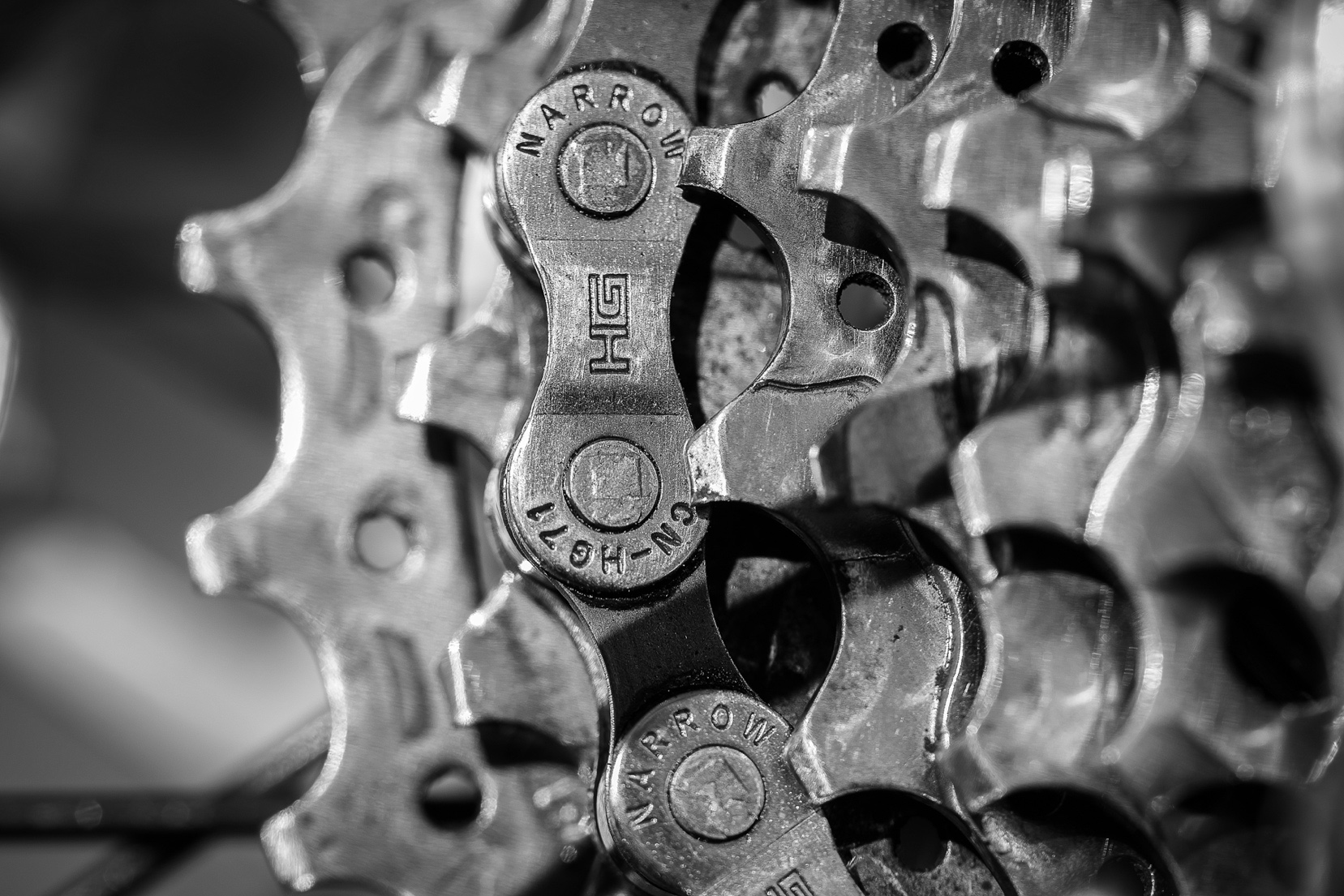
TL;DR: Dry lube for sunny rides on paved roads. Wet lube for rain, mud, and winter. Wax (drip or immersion) for riders who hate a dirty drivetrain and don’t mind re-applying every 100 miles. If you only own one bottle, pick wet lube — it’ll protect a chain in any condition, just at the cost of a gritty drivetrain.
The Three Types, Plainly Explained
Dry Lube
A thin wax or Teflon-based lubricant carried in a volatile solvent. You apply it wet, the solvent evaporates, and a dry film is left behind on the chain rollers. Because the film is dry, it doesn’t attract dust — which is exactly the point. Dry lube is the right answer for road and gravel riding in dry weather, where a wet lube would collect a ring of black paste around your chain within two rides.
Downside: dry lubes wash off the moment the chain gets truly wet. One rainy ride and you need to re-apply. Range on a dry lube is typically 100–200 miles before you’ll hear the chain start to dry out and chirp.
Wet Lube
A heavier oil — often synthetic, often with cross-linking polymers — that stays liquid on the chain. Because it stays liquid, it clings through rain, spray, and mud, and it lasts 3–5x longer between applications than dry lube. That’s why touring riders and winter commuters swear by it.
Downside: wet lube attracts and holds grit. A chain lubed with wet lube in dusty conditions turns into a grinding paste that accelerates chain and cassette wear. It also leaves black smudges on your right calf. If you ride in mixed conditions and don’t want to switch bottles, wet lube is the safer choice — just clean the drivetrain more often.
Wax (Drip-On or Immersion)
Drip wax (like Squirt) is a wax emulsion suspended in water. You apply it wet, the water evaporates, and a solid wax film coats the chain links. Immersion waxing takes this further — you strip the chain, melt paraffin wax in a crockpot, and dip the chain until wax penetrates every roller.
The pitch: a waxed chain stays visibly clean, measurably reduces drivetrain friction (confirmed by independent Zero Friction Cycling testing), and can extend chain life dramatically. The cost: it’s the most labor-intensive system. Drip wax requires re-application every 75–150 miles. Immersion waxing requires a dedicated crockpot and a degreased, clean chain every few hundred miles.
The quick chooser: Road bike, sunny climate → dry lube. Commuter or tourer in rainy climate → wet lube. Endurance rider who tracks watts, hates a black chain, and doesn’t mind prep work → wax. MTB in the desert → dry or wax. MTB in the PNW → wet.
Side-by-Side Comparison
| Factor | Dry | Wet | Wax |
|---|---|---|---|
| Dry weather | Excellent | OK (dirty) | Excellent |
| Wet weather | Poor | Excellent | Poor–OK |
| Keeps chain clean | Good | Poor | Excellent |
| Miles between re-app | 100–200 | 300–500 | 75–150 |
| Measured friction (W) | 3–5 W | 4–7 W | 2–4 W |
| Chain wear rate | Medium | Medium–High (with grit) | Low |
| Prep required | Minimal | Minimal | High (degrease first) |
The Prep That Matters More Than the Bottle You Choose
Every chain lube on the market assumes you’re applying it to a clean chain. If you drip fresh lube on top of a chain coated in old grease and grit, the fresh lube just floats on the crust — it never reaches the pin/roller interface where it’s actually needed. This is the single biggest reason people think their expensive lube “doesn’t work.”
- Degrease. For a factory chain, the black factory grease is actually a long-lasting assembly lube — you can leave it on for the first 100 miles. After that, use a citrus or mineral-spirit degreaser in a chain-cleaning tool (Park Tool CM-5.3 or similar). For wax users, a full solvent strip is required the first time.
- Rinse and dry. Wipe with a clean rag until no more black comes off. Let the chain air-dry fully before applying lube — water and oil don’t mix.
- Drop one bead per roller. Not a stripe, not a flood. One small drop per pin, going backwards through the drivetrain. Pedal the cranks backwards to work lube into the links.
- Wipe the outside. After a few minutes, wrap a clean rag around the chain and pedal backwards. Everything on the outside of the links is waste — it only attracts dirt. The lube you need is inside the rollers.
The Six Lubes Worth Owning
Muc-Off C3 Dry Ceramic Lube
Ceramic nano-particles bond to the roller surface for measurably lower friction than plain wax-based dry lubes. Self-cleaning on dusty roads — dirt doesn’t embed. Road and gravel riders in dry climates consistently rank it near the top of independent friction testing.
Buy on AmazonSquirt Long Lasting Chain Lube
The drip wax that made drip wax popular. Water-based emulsion that dries to a hard film. Your chain will stay visibly cleaner than with any oil-based lube, and in dusty conditions it outlasts most dry lubes. Endurance and bikepacking riders love it because there’s no mess on bags or legs.
Buy on AmazonMuc-Off C3 Wet Ceramic Lube
Heavy-duty ceramic-fortified wet lube that clings through UK-style horizontal rain. Stays on the chain 2–3x longer than standard wet lubes. This is the right lube for a commuter in Seattle, a tourer on loaded panniers, or winter riding through road salt.
Buy on AmazonFinish Line Dry Bike Lubricant
The classic wax-based dry lube. Not the lowest-friction option on the market, but it’s been the default on shop shelves for 30 years because it works. Half the price of ceramic options. Perfect if you’re a casual rider and “chain lube is chain lube” is basically your philosophy.
Buy on AmazonFinish Line Wet Bike Lubricant
Cross-linked wet lube that stands up to rain and road spray. Pairs naturally with the Finish Line Dry for riders who want one bottle of each and don’t need ceramic pricing.
Buy on AmazonMorgan Blue Race Oil
The Belgian open secret. Professional road racing teams use it for exactly one reason: it’s measurably among the lowest-drag chain lubes you can buy. Applied drop-per-link before a time trial, re-applied every race day. Not a touring lube. Not a commuting lube. A race-day weapon.
Buy from Morgan BlueFrequency: When to Re-Apply
The honest answer is listen to your chain, not a calendar. A properly lubricated chain is quiet. The moment you hear dry chirping under pedaling load, the pin/roller interface is running dry and you’re adding wear with every turn of the cranks. Rough rules of thumb:
- Dry lube: every 100–200 miles, or after any ride where you got caught in rain.
- Wet lube: every 300–500 miles, or when the chain starts to visibly darken and squeak.
- Drip wax: every 75–150 miles. Wax is short-lived by design.
- Immersion wax: every 300–500 miles, but with a full strip-and-dip process each time.
- After any wash: always. Water displaces lube.
Common Questions
Can I use WD-40 on my bike chain?
The blue-and-yellow can, no — it’s a solvent, not a lubricant, and it’ll strip whatever lube is in your chain. WD-40’s own product line includes a “Bike Chain Lube” and a “Dry Chain Lube” that are different products and are fine; just don’t use the classic can.
Can I use motor oil or 3-in-1 oil?
Technically yes, it’ll lubricate. In practice both attract an enormous amount of grit and accelerate chain wear. Chain-specific lube exists because the gap between pins and rollers on a bike chain is measured in thousandths of an inch — you want a lube formulated for that geometry.
Is motorcycle chain lube okay on a bicycle?
It works — motorcycle chain lubes are formulated for open chains in harsh conditions, and they’re O-ring safe, which doesn’t matter on a bike but doesn’t hurt. The main downside is that motorcycle chain lubes tend to be very sticky (to resist fling at high RPMs) which means more grit accumulation on a bicycle chain. Use it in a pinch, not as a default.
Do I need to clean my chain every application?
Not a full degrease. A wipe-down with a clean rag before re-applying removes most of the old surface lube and any grit. A full degrease with a chain tool is a roughly every-1,000-miles maintenance item for wet/dry lube users. For wax users, stripping to bare metal between applications is the whole point — the wax film is supposed to be the only thing on the chain.
Why does my new chain come with black grease — should I remove it?
That’s factory assembly lube, and it’s actually excellent. It’s applied hot, penetrates fully into the links, and lasts longer than most aftermarket lubes. Most serious cyclists leave it on for the first 100–200 miles before doing the first clean-and-lube. Wax users are the exception — they strip factory grease immediately before the first wax treatment.
Will chain lube damage my carbon frame?
No — all the lubes listed here are safe on paint, carbon, alloy, and rubber. Be careful with aggressive degreasers though; citrus and solvent-based degreasers can attack some painted finishes if left sitting.
Quick Reference
- Road rider, dry climate: Muc-Off C3 Dry or Morgan Blue Race Oil. Re-apply every 150 miles.
- Road rider, mixed climate: Squirt wax in summer, Muc-Off Wet in winter.
- Commuter, rain/snow: Muc-Off C3 Wet or Finish Line Wet. Re-apply every 300 miles and after every wash.
- Endurance / bikepacking: Squirt wax. The clean-drivetrain advantage outweighs the frequent re-application.
- Race day only: Morgan Blue Race Oil applied drop-per-link the night before.
- Budget user, one bottle: Finish Line Wet. Covers all conditions at the cost of a dirtier drivetrain.
For a filterable view across every chain-lube use case — motorcycle chains, e-bike drivetrains, singlespeed conversions, and more — the full lubricant guide lets you filter by environment, material safety, and temperature range. The per-item pick for this topic is bicycle chain lubrication.
ThePickSmith participates in the Amazon Associates program. Purchases made through links on this page may earn us a commission at no extra cost to you. Product recommendations are based on independent research and not paid placements.