Ballistol: the 120-year history of a universal gun care oil
In an aisle of modern CLPs, ceramic gun oils, and synthetic polymer blends, Ballistol looks almost out of place — a pale yellow liquid in a tin can, smelling faintly of black licorice, sold under a label that hasn’t meaningfully changed in a hundred years. It’s been used by German soldiers in two world wars, by black-powder shooters since before smokeless propellant was mainstream, by veterinarians on horse hooves, and by generations of hunters on everything from a Mauser bolt to a leather sling. This guide explores what it actually is, where it came from, and — with a hard-nosed look — what it’s genuinely good at in 2026.
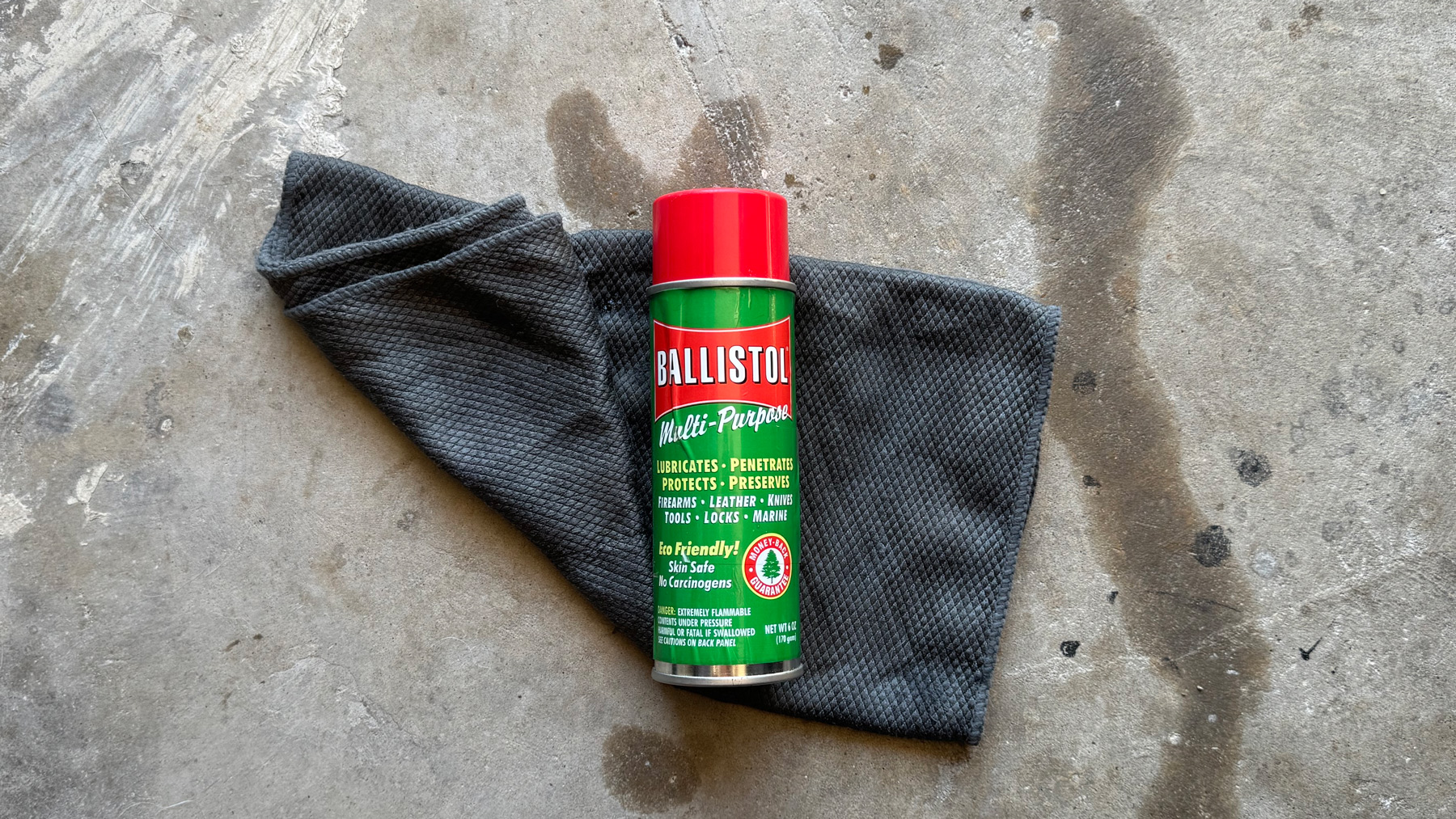
TL;DR: Ballistol is a mineral oil + alkaline salt + anise oil blend patented in 1904, adopted by the Imperial German Army in 1905, and continuously manufactured since. Its alkaline chemistry neutralizes black-powder residue and leather acidity, which is why it became the universal field-kit oil of its era. It’s not the best modern lubricant for any specific job, but it’s in the top three for nearly every job — which is what “universal” really means.
Origins: Dr. Klever and the Imperial German Army, 1904
Ballistol was developed by Dr. Helmut Klever at the Friedrich-Alexander University of Erlangen in Bavaria, working on a request from the Imperial German Army (Kaiserliche Armee) for a single product that could replace the three separate items a rifleman was expected to carry: a gun oil, a leather conditioner for belts and holsters, and a wound-care salve. The military brief was radical — and, by modern standards, a little ambitious. The product was formulated in 1903, patented in 1904, and officially adopted by the German military in 1905 under the name Ballistol, a portmanteau of ballistisch (ballistic) and oleum (oil).

The timing mattered. The German Army was in the middle of a transition from black-powder cartridges (heavily fouling, corrosive residue) to smokeless powder — but black powder was still in wide use at training depots and in reserve arms. An oil that could handle both, plus the leather and brass of a soldier’s kit, was a logistical win. When the Wehrmacht was formed in 1935, it inherited Ballistol as a standard-issue item and carried it through World War II.
What’s Actually In It? The Chemistry
The Ballistol formula is not secret — the material safety data sheet lists every component. It’s the combination that matters.
| Component | Approx. | What it does |
|---|---|---|
| Medicinal white mineral oil | ~75% | Primary lubricating base — pharmaceutical grade, highly refined, non-toxic |
| Oleic acid / potassium oleate | ~10% | Alkaline soap — emulsifies with water and neutralizes acidic residues |
| Alkalized alcohol | ~5% | Carrier and emulsifier; part of the “turns white with water” effect |
| Benzyl acetate | ~2% | Solvent and mild fragrance component |
| Oil of anise (anethole) | ~2% | The licorice smell — originally included as an insect repellent and for palatability in veterinary uses |
| IPA (isopropyl alcohol) | trace | Secondary solvent |
Three things about this mix are unusual and worth understanding:
It’s mildly alkaline (pH ~8–9)
Almost every other gun oil on the market is pH-neutral or slightly acidic. Ballistol’s mild alkalinity is the feature that made it famous: black powder residue is acidic, as is the tannic-acid breakdown of leather, and as are the lactic-acid residues from skin contact. An alkaline oil actively neutralizes those, rather than sitting on top of them. For a black-powder shooter, that matters enormously — see black powder maintenance.
It emulsifies with water
Add water to Ballistol and it turns milky white. This isn’t a defect — it’s a design feature. The potassium oleate lets the mineral oil temporarily carry water-soluble residues (salts, sweat, nitrate compounds from powder) out of a bore. This is why cavalry manuals from WWI specify cleaning with “Ballistol diluted 1:5 with water” for bore cleaning after firing.
It’s non-toxic at skin/ingestion contact levels
Medicinal mineral oil is literally the same grade used in pharmaceutical laxatives and as a cutting-board oil. Anise oil has been in candy for centuries. The trace alcohol evaporates. This is the only gun oil I’m aware of that’s explicitly rated non-toxic to livestock — you’ll find it in tack-room kits next to hoof oil for exactly this reason.
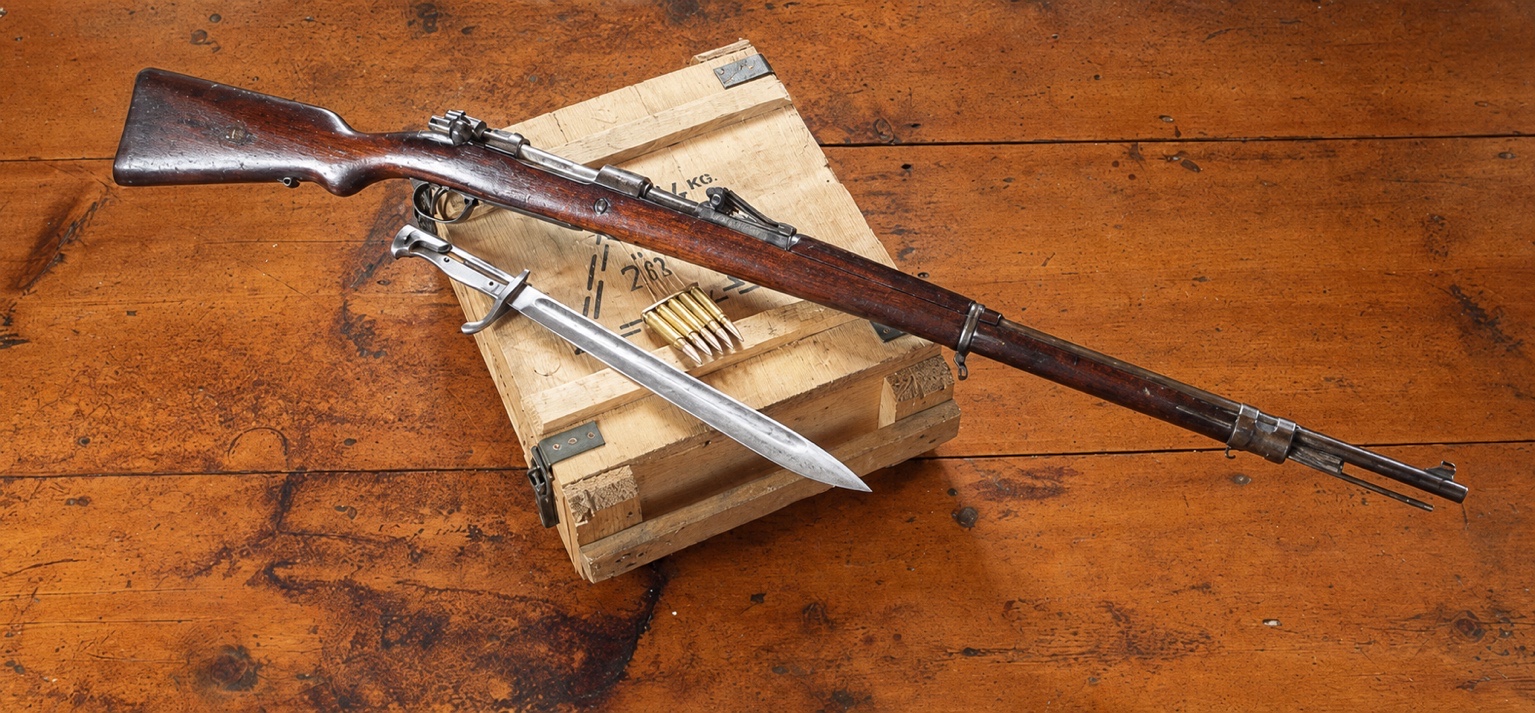
What Ballistol Is Actually Good At (in 2026)
The honest answer: it’s a jack-of-all-trades. There’s a specialty product that beats it at every individual task. But for the user who wants one can that does everything acceptably, it’s arguably unmatched.
Excellent at:
- Black powder and corrosive-ammo cleaning. The alkaline chemistry is still genuinely superior here. If you shoot muzzleloaders, vintage Mosin-Nagant with surplus ammo, or anything using mercury/corrosive primers, Ballistol’s bore-cleaning performance is hard to match — see the black powder lubrication breakdown.
- Leather conditioning. Holsters, slings, rifle cases, boots. The alkalinity neutralizes leather acidity without the wax buildup of Obenauf’s or Leather Honey.
- Wood stock maintenance. Light application revives dried walnut and beech stocks without over-darkening.
- Rust prevention during medium-term storage. Not as good as RIG or Eezox for multi-year protection, but excellent for months — see gun storage lubricants.
- General household use. Hinges, fishing reels, sewing machines, garden shears. It’s fine on all of them.
Decent at:
- Modern semi-auto slide lubrication. It works, but it’s thin and migrates. Slip 2000 EWL or a synthetic grease stays in place longer on a Glock — see the Glock oil guide.
- AR/AK bolt carrier groups. Functional, but at high round counts a purpose-built synthetic holds up better under heat.
- Revolver cylinders and actions. Good choice — see revolver lubrication.
- Shotguns. Fine for general maintenance — see shotgun maintenance.
- .22 LR rimfire rifles. Ballistol’s ability to handle the waxy lube residue from .22 ammo is genuinely useful — see .22 rimfire lubrication.
Not ideal for:
- Suppressor/silencer internals. Too thin; burns off quickly at suppressor temperatures — see suppressor maintenance.
- Long-term (multi-year) vault storage. Will evaporate and need re-application.
- Extreme-cold operation. Thickens below 0°F more than modern synthetics.
- Modern polymer/rubber seals in non-firearm applications. Generally fine, but not rated for all elastomers the way silicone-based lubricants are.
Common Questions
Is Ballistol really safe to use on skin and for veterinary applications?
The mineral oil base is pharmaceutical grade and the anise oil is food-grade. That said, “safe” means “not acutely toxic at skin-contact doses” — it’s not a medicinal product in the modern regulatory sense. People use it on horse hooves, dog paw cuts, and minor leather rashes, and have done so for a century. The manufacturer is careful not to make medical claims in the US.
Why does it smell like licorice / anise?
The anise oil was originally included to make the product palatable in veterinary applications and to deter insects from horse tack treated with it. Today most users either love or hate the smell — there’s no middle ground. If you dislike it, Ballistol sells an “Aerosol” version that’s slightly less pungent, but anise is core to the brand identity.
Does it damage wood or wood stocks?
No. In fact it’s one of the better products for reviving dried walnut, beech, or birch rifle stocks. A light wipe once a year keeps wood from drying out without the heavy darkening caused by linseed oil.
Is it corrosion-inhibiting?
Yes, but not at the level of RIG (Rust Inhibiting Grease) or Eezox. For an actively-carried firearm wiped every few months, it’s adequate. For multi-year safe storage, use a dedicated corrosion inhibitor.
Why does it turn white when mixed with water?
The potassium oleate emulsifier creates a stable oil-in-water micro-emulsion. This isn’t a failure mode — it’s how the product was designed to be used for bore cleaning after black-powder shooting. The milky mixture carries water-soluble residues out of the bore, then dries leaving a thin protective oil film. See the original 1904 German military cleaning procedure described in any Wehrmacht-era maintenance manual.
Is it still made in Germany?
Yes. Ballistol-Werk Hagemann GmbH & Co. KG in Ilsenburg, Germany, is the sole manufacturer, and the formula is unchanged from the 1904 original.
Quick Reference
- Best at: black powder / corrosive cleaning, leather, wood stocks, universal field use.
- Chemistry hook: mildly alkaline, emulsifies with water, food-grade constituents.
- Pick something else for: suppressor internals, vault storage over 1 year, high-heat semi-auto lubrication.
- Smell: licorice (anise oil) — love it or live with it.
- Still made by: Ballistol-Werk in Germany, to the 1904 formula.
For a comparison of Ballistol against modern CLPs and purpose-built oils across specific firearm tasks, the full lubricant guide lets you filter by type, temperature range, and application. For the Glock-specific take, see the Glock lubrication guide.
ThePickSmith participates in the Amazon Associates program. Purchases made through links on this page may earn us a commission at no extra cost to you. Product recommendations are based on independent research and not paid placements.